
‘I ain’t goin nowhere’: Gullah Geechee people fight off developers with a historic referendum
A citizen referendum, only the second of its kind in Georgia history, seeks to block a zoning amendmentIre Gene Grovner stood behind his house on a recent morning, between chicken pens on one side and rows of winter collard greens on the other, holding a knife and skinning a raccoon splayed across a wood post.“The meat is good roasted,” Grovner said. He pointed to the collards, a burst of green in the winter cold, and the chickens, with their eggs. “If you ain’t lazy, you can live good here,” he said, referring to Sapelo Island off the coast of southern Georgia. Continue reading...
Reporting preview
A citizen referendum, only the second of its kind in Georgia history, seeks to block a zoning amendment
Ire Gene Grovner stood behind his house on a recent morning, between chicken pens on one side and rows of winter collard greens on the other, holding a knife and skinning a raccoon splayed across a wood post.
“The meat is good roasted,” Grovner said. He pointed to the collards, a burst of green in the winter cold, and the chickens, with their eggs. “If you ain’t lazy, you can live good here,” he said, referring to Sapelo Island off the coast of southern Georgia.
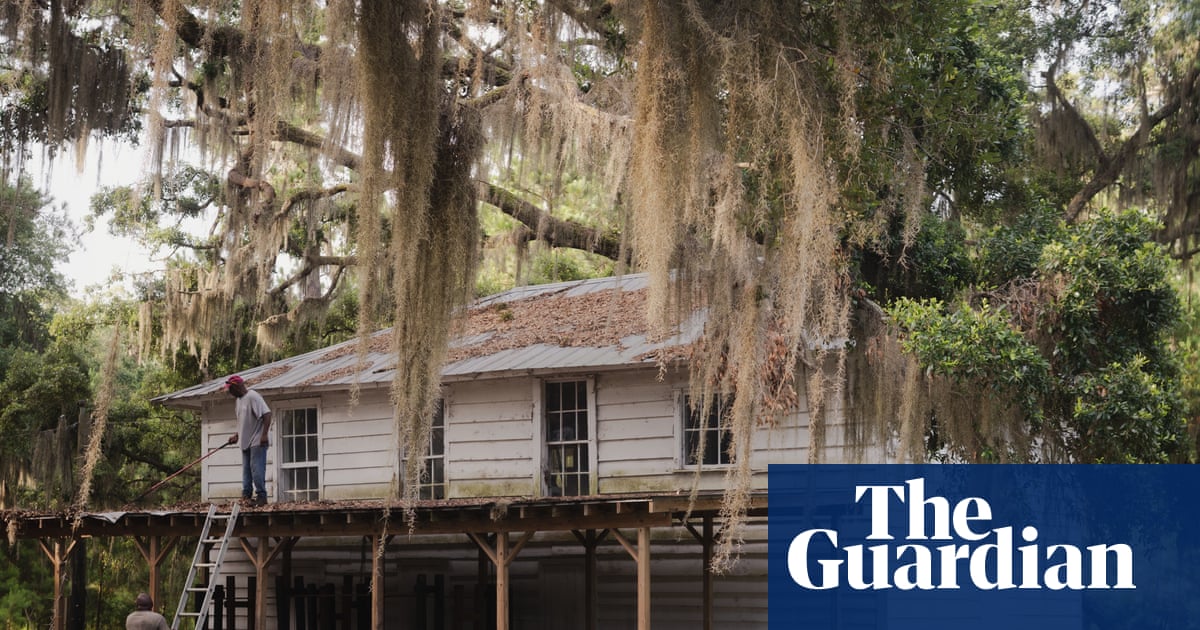
Then he waved in a broad circle, pointing out the nearby modest homes of family members, all bearing the same last name as him, which Grovner, who is 70, says stretches nine generations back on Hogg Hummock.
The community is home to the Gullah Geechee people, descendants of enslaved west Africans who worked on cotton, indigo and rice plantations from North Carolina to Florida. In places like South Carolina’s Hilton Head Island, the Gullah Geechee population was nearly wiped out by development starting in the 1960s.
This preview is a source-linked editorial excerpt. Continue to the original publisher for the complete report, updates and full context.