
Why fans are digging their claws into Wolverine over its patronising gameplay
From highlighted ledges to characters telling you what to do, blockbuster games are increasingly taking the challenge out of playing – and players are pushing back• Don’t get Pushing Buttons delivered to your inbox? Sign up hereMarvel’s Wolverine, the latest action game from Sony’s stable of expensive blockbuster-factory studios, has had an unfortunate launch. Reviews were decent, if not stellar, but a series of viral video clips from reviewers and streamers have made it the scapegoat for a patronising flavour of game design that gamers have hated for decades. This clip, from Skill Up’s review, shows the player entering a beautiful wintry landscape before being overwhelmed by visual cues telling them what they’re supposed to be doing there. Sonar pulses point you in the direction of objectives. Targets – which, it bears emphasising, are shaped like targets – get an extra reflective visual effect so you know you’re supposed to pay attention to them. A trail shows you not just where to go, but where the level’s sole hidden collectible is.It is hand-holding to the point of parody. Indeed, it reminded me of the sniggersome Mario in Unreal Engine satirical videos that makes the social media rounds every few months (“A mushroom? I should take a look at this”). Skill Up’s clip has been followed by hundreds of others, gleefully ripping into Wolverine with ironic savagery. In one much-copied clip, a streamer simply lays down his controller during a motorbike chase sequence and watches as Wolverine speeds on regardless, bouncing off the scenery as the game plays itself. Continue reading...
Reporting preview
From highlighted ledges to characters telling you what to do, blockbuster games are increasingly taking the challenge out of playing – and players are pushing back
Don’t get Pushing Buttons delivered to your inbox? Sign up here
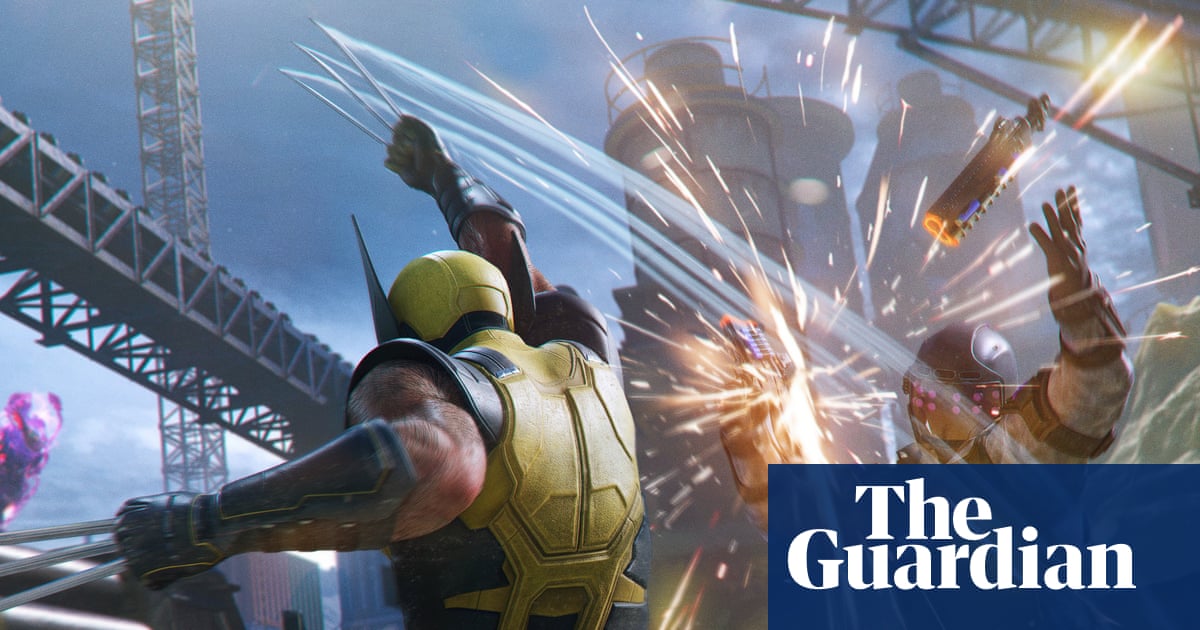
Marvel’s Wolverine, the latest action game from Sony’s stable of expensive blockbuster-factory studios, has had an unfortunate launch. Reviews were decent, if not stellar, but a series of viral video clips from reviewers and streamers have made it the scapegoat for a patronising flavour of game design that gamers have hated for decades. This clip, from Skill Up’s review, shows the player entering a beautiful wintry landscape before being overwhelmed by visual cues telling them what they’re supposed to be doing there. Sonar pulses point you in the direction of objectives. Targets – which, it bears emphasising, are shaped like targets – get an extra reflective visual effect so you know you’re supposed to pay attention to them. A trail shows you not just where to go, but where the level’s sole hidden collectible is.
It is hand-holding to the point of parody. Indeed, it reminded me of the sniggersome Mario in Unreal Engine satirical videos that makes the social media rounds every few months (“A mushroom? I should take a look at this”). Skill Up’s clip has been followed by hundreds of others, gleefully ripping into Wolverine with ironic savagery. In one much-copied clip, a streamer simply lays down his controller during a motorbike chase sequence and watches as Wolverine speeds on regardless, bouncing off the scenery as the game plays itself.
People really detest this kind of thing. It’s impossible to pinpoint exactly when big-budget games started assuming that players were irredeemably stupid, but throughout the late 00s and 2010s it became more and more common to see obvious GPS trails showing you where to go, and for characters to talk to themselves to remind you what to do. At the same time, there’s been a cyclical discussion over the difficulty of games: every time a notably challenging game comes out, we rehash the same talking points about whether all games should have easy modes. Is it acceptable for games to shut players out if they aren’t prepared to “git gud”?
This preview is a source-linked editorial excerpt. Continue to the original publisher for the complete report, updates and full context.