
After 80 years in Oxford, Naga ancestors are finally going home
A campaign securing the landmark return to India of ancestral remains taken during British colonial rule has opened a wider conversation about restitution• Don’t get This is India delivered to your inbox? Sign up hereThe lacerating legacy of colonialism survives in many spaces, particularly in museum collections and private holdings across the western world. And it’s not just limited to inanimate artefacts or cultural objects.For almost 80 years, human remains were displayed on crowded glass shelves at Pitt Rivers Museum at Oxford University, one of the world’s most celebrated institutions. Continue reading...
Reporting preview
A campaign securing the landmark return to India of ancestral remains taken during British colonial rule has opened a wider conversation about restitution
Don’t get This is India delivered to your inbox? Sign up here
The lacerating legacy of colonialism survives in many spaces, particularly in museum collections and private holdings across the western world. And it’s not just limited to inanimate artefacts or cultural objects.
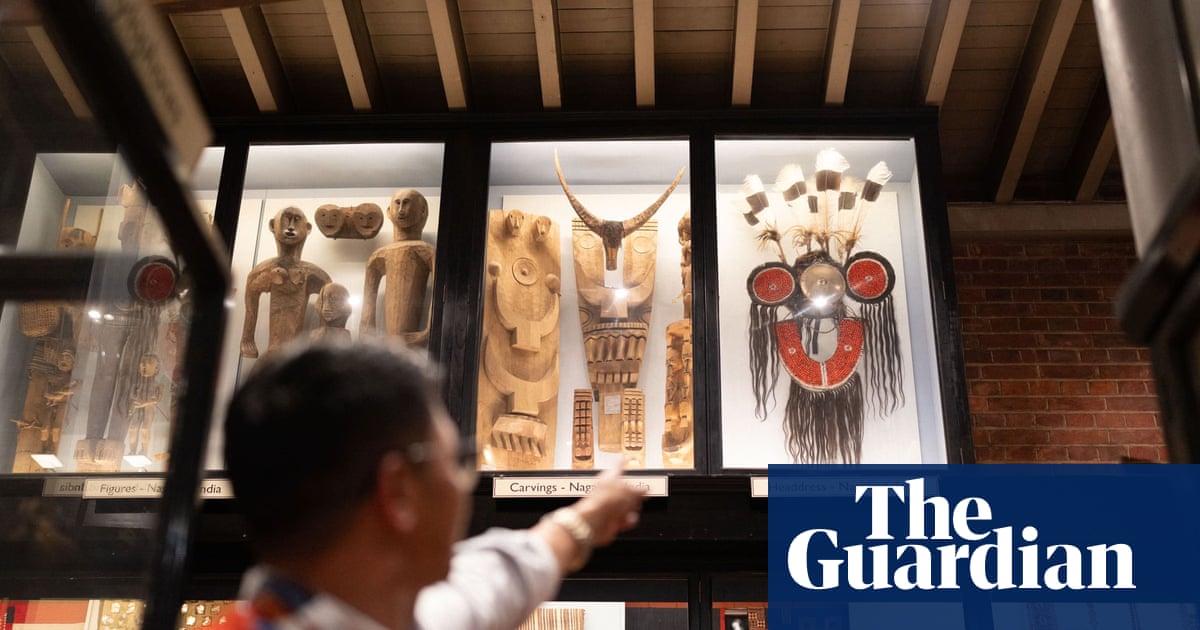
For almost 80 years, human remains were displayed on crowded glass shelves at Pitt Rivers Museum at Oxford University, one of the world’s most celebrated institutions.
Many of them were, in fact, skeletal remains taken from Nagaland brought to the museum by two British colonial administrators, John Henry Hutton and James Philip Mills between 1910 and 1940. Now, after six years of consultations, negotiations and a concerted effort to build consensus across Naga communities, 39 skeletal remains are finally coming home. In early November, the museum handed custodianship to a Naga delegation of leaders and scholars. The repatriated remains include those of two children, a woman and a village chief.
This preview is a source-linked editorial excerpt. Continue to the original publisher for the complete report, updates and full context.