
I was abused as a child – and thought I had healed. Then I began drinking in lockdown
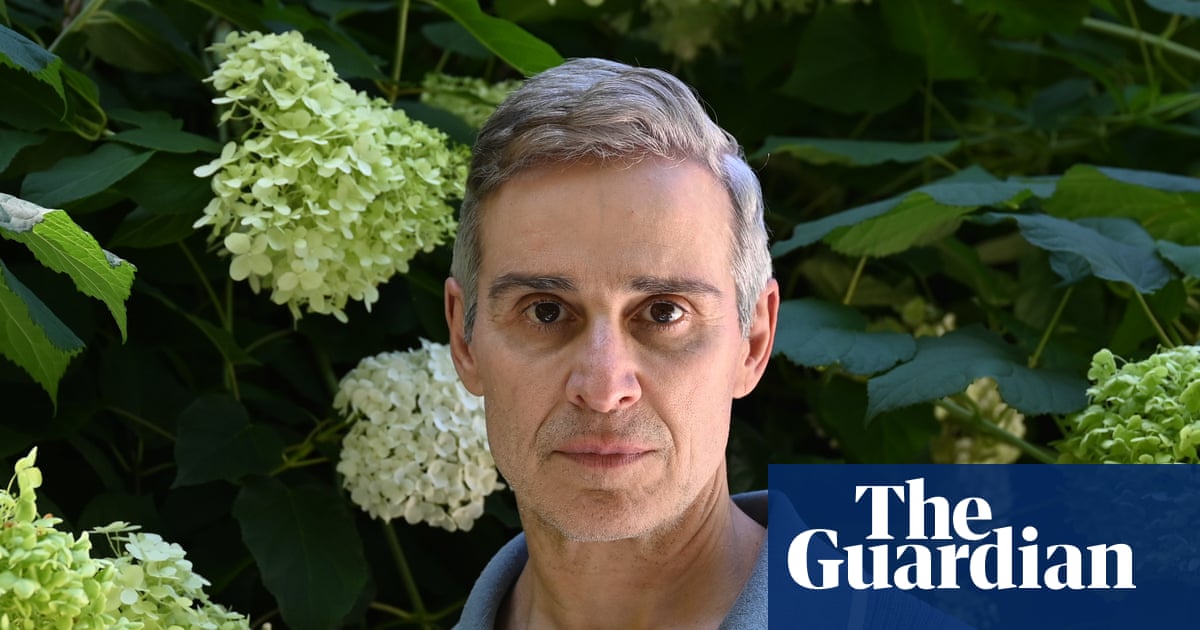
Decades after being sexually abused, the author and doctor Frank Spinelli believed he had moved on emotionally. But alcohol destroyed his sense of security. He describes how he confronted his shameNot so long ago, Frank Spinelli seemed to have sorted out his life. He was happily married, working as a doctor and had a sideline writing medical thrillers. He thought he had dealt with the sexual abuse he had suffered as a child – not only had he helped bring the man who groomed and abused him to justice, but also he had written a memoir about it. “I felt that I had closure,” he says. “I had the good fortune of working with some amazing therapists and I believed I had done the work and moved past it and I was a healed person.”Little did he know that his recovery was fragile. The Covid pandemic took away his routine and structure: “All the external pillars that were tightly holding me together – the engagements at the office, the work trips.” Two years earlier, he and his husband had moved from Manhattan to a leafy suburb, from where he is speaking to me over a video call today. He was dealing with uncertainty and felt isolated. “We know one thing about shame: shame breeds in isolation.” Continue reading...
Reporting preview
Decades after being sexually abused, the author and doctor Frank Spinelli believed he had moved on emotionally. But alcohol destroyed his sense of security. He describes how he confronted his shame
Not so long ago, Frank Spinelli seemed to have sorted out his life. He was happily married, working as a doctor and had a sideline writing medical thrillers. He thought he had dealt with the sexual abuse he had suffered as a child – not only had he helped bring the man who groomed and abused him to justice, but also he had written a memoir about it. “I felt that I had closure,” he says. “I had the good fortune of working with some amazing therapists and I believed I had done the work and moved past it and I was a healed person.”
Little did he know that his recovery was fragile. The Covid pandemic took away his routine and structure: “All the external pillars that were tightly holding me together – the engagements at the office, the work trips.” Two years earlier, he and his husband had moved from Manhattan to a leafy suburb, from where he is speaking to me over a video call today. He was dealing with uncertainty and felt isolated. “We know one thing about shame: shame breeds in isolation.”
Spinelli had never had a problem with alcohol before. In the lockdowns, though, he found himself drinking more and more. A glass of wine while cooking dinner turned into two; a bottle shared with his husband turned into another. Drinking was no longer something that mainly happened at the weekend, but had blurred into the week. Three months into lockdown, Spinelli’s husband realised it wasn’t doing him any good and decided to stop drinking, but Spinelli continued.
“You make all these qualifying statements to yourself – you’re home, you’re not bothering anybody, I’m not driving,” he says. He convinced himself that if he drank in secret, it didn’t really count, so he started to take long dog walks, sipping from a water bottle filled with vodka; he hid empty bottles in the garage. When his husband confronted him about it, Spinelli promised to stop, but it lasted less than a week. He found better hiding spots: old bags in the wardrobe, empty cleaning-product bottles, the recycling bin.
This preview is a source-linked editorial excerpt. Continue to the original publisher for the complete report, updates and full context.